Get Chimney Inspection Service in Passaic County, NJ
Chimney Inspection Service providers in Passaic County, NJ, address issues like creosote buildup, blockages, and structural damage through inspections, cleaning, and repairs.
Chimney inspection services provide property owners in Passaic County, NJ with an essential assessment of their chimney’s condition. Regular inspections help identify potential issues such as creosote buildup, cracks, or blockages that could affect the safe operation of a fireplace or stove. By catching these problems early, homeowners can maintain a functional chimney that delivers reliable heating, enhances comfort during colder months, and preserves the durability of the entire system. Proper inspections also contribute to reducing the risk of costly repairs and help ensure that the chimney performs efficiently over time.
In addition to safety and functionality, chimney inspections can improve a property’s curb appeal by ensuring the chimney looks well-maintained and free of damage. This proactive approach supports the longevity of the chimney structure, minimizing the need for extensive repairs and reducing ongoing maintenance. For property owners in Passaic County, NJ, professional inspections offer peace of mind by confirming that their chimney remains safe, durable, and visually appealing, contributing to a comfortable and inviting home environment.
- Chimney Inspection - recommended for homeowners preparing for seasonal use or after experiencing a chimney issue.
- Flue and Vent Inspection - necessary when installing new appliances or upgrading heating systems in Passaic County and nearby areas.
- Routine Chimney Checks - advised for property owners seeking regular assessments to ensure safety and proper function.
- Pre-Listing Chimney Evaluation - useful for those preparing a property for sale or purchase in local communities.
- Post-Repair Inspection - essential after chimney repairs to confirm issues have been properly addressed.
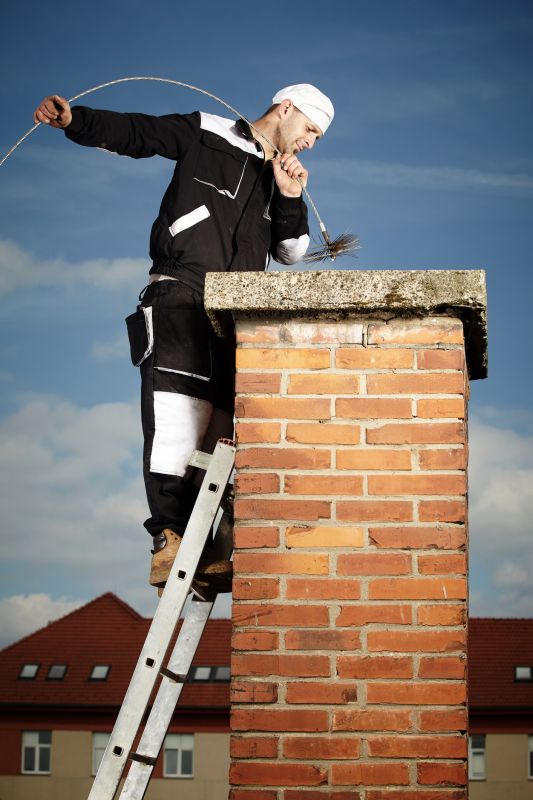
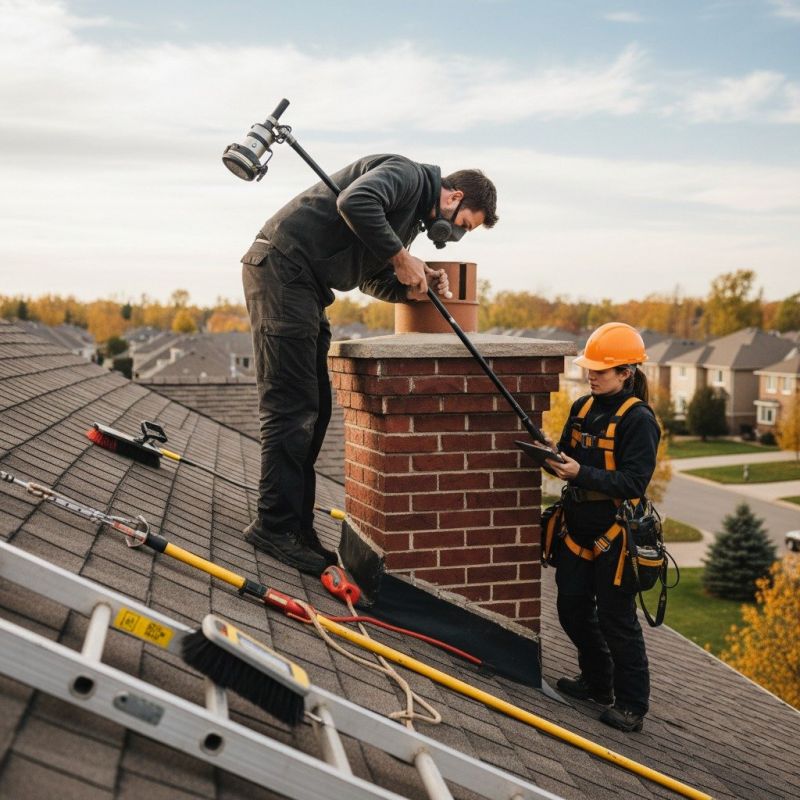
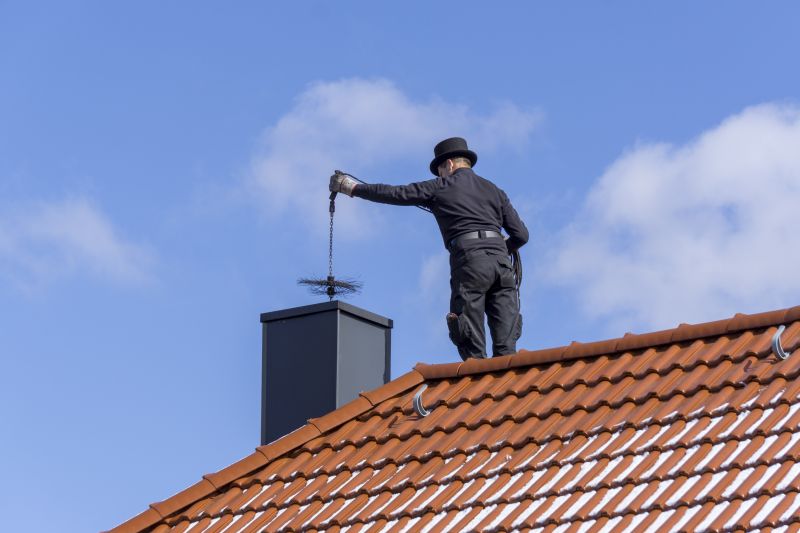
Chimney inspection services involve a thorough examination of a chimney’s interior and exterior components to identify potential issues that could affect safety and performance. Professional inspectors typically assess the condition of the chimney liner, masonry, flashing, and venting systems. They look for signs of deterioration, blockages, creosote buildup, or structural damage that may not be immediately visible from the ground. Using specialized tools and techniques, these inspections help ensure that the chimney functions properly and safely, reducing the risk of fire hazards or indoor air quality problems.
One of the primary problems addressed by chimney inspections is the accumulation of creosote and other debris that can ignite and cause chimney fires. Inspections also help detect cracks, corrosion, or damage to the chimney structure that might lead to leaks or deterioration over time. Additionally, they identify blockages caused by nests, debris, or buildup that could impede proper venting of smoke and gases. By catching these issues early, inspections can prevent costly repairs and promote safe operation of heating appliances, especially during colder months when fireplaces and wood stoves are in regular use.
Chimney inspection services are utilized by a variety of property types, including residential homes, multi-family buildings, and commercial establishments. Homeowners with fireplaces, wood stoves, or pellet stoves often schedule regular inspections to maintain safety and efficiency. Property managers of apartment complexes or condominiums may also arrange inspections to ensure common area chimneys are in good condition. Commercial properties that rely on industrial or institutional heating systems may require more comprehensive evaluations to meet safety standards and prevent operational disruptions.
Regular chimney inspections can be particularly beneficial for properties in areas with older construction or those that have experienced weather-related wear. They are also recommended after severe storms, chimney repairs, or if there are signs of smoke or odor issues during operation. By partnering with local service providers, property owners can ensure that professional inspections are performed thoroughly and efficiently. This proactive approach helps maintain the safety, functionality, and longevity of the chimney system across different property types.
The overview below groups typical Chimney Inspection Service projects into broad ranges so you can see how smaller, mid-sized, and larger jobs often compare in Passaic County, NJ.
In many markets, a large share of routine jobs stays in the lower and middle ranges, while only a smaller percentage of projects moves into the highest bands when the work is more complex or site conditions are harder than average.
Inspection Costs - The typical cost for a chimney inspection ranges from $100 to $300, depending on the property's size and inspection complexity. For example, a standard home inspection may fall around $150, while more detailed assessments could be higher.
Service Fees - Service fees for chimney inspection services often vary between $75 and $200 per visit. Factors influencing the price include the location, accessibility, and the extent of the inspection required.
Additional Charges - Additional charges may apply for extensive inspections or repairs identified during the process, generally adding $50 to $150 to the initial cost estimate. These costs depend on the scope of work needed after the inspection.
Cost Factors - Costs can fluctuate based on the chimney's condition, height, and accessibility, with some inspections costing as low as $80 and others exceeding $350 in complex cases. Local pros can provide specific estimates based on individual property details.
Actual totals will depend on details like access to the work area, the scope of the project, and the materials selected, so use these as general starting points rather than exact figures.
Chimney Inspection services help identify potential issues with chimney systems, ensuring safety and proper functioning. Local pros provide thorough assessments to detect damage or blockages that could affect performance.
Visual Chimney Inspections involve examining the exterior and interior of chimneys to spot cracks, creosote buildup, or structural problems. These inspections are essential for maintaining chimney integrity and safety.
Video Chimney Inspections utilize camera technology to inspect hard-to-reach areas within the chimney flue. This method offers a detailed view to uncover hidden issues without invasive procedures.
Pre-Installation Inspections are recommended before installing new chimney components or appliances to ensure compatibility and proper setup. Local specialists assess the existing system to facilitate safe installation.
Routine Chimney Inspections are advised periodically to monitor the condition of the chimney and prevent costly repairs. Regular assessments help maintain system safety and efficiency.
Damage and Blockage Assessments services focus on detecting obstructions, such as debris or animal nests, and damage caused by weather or wear. These evaluations support timely repairs and maintenance.
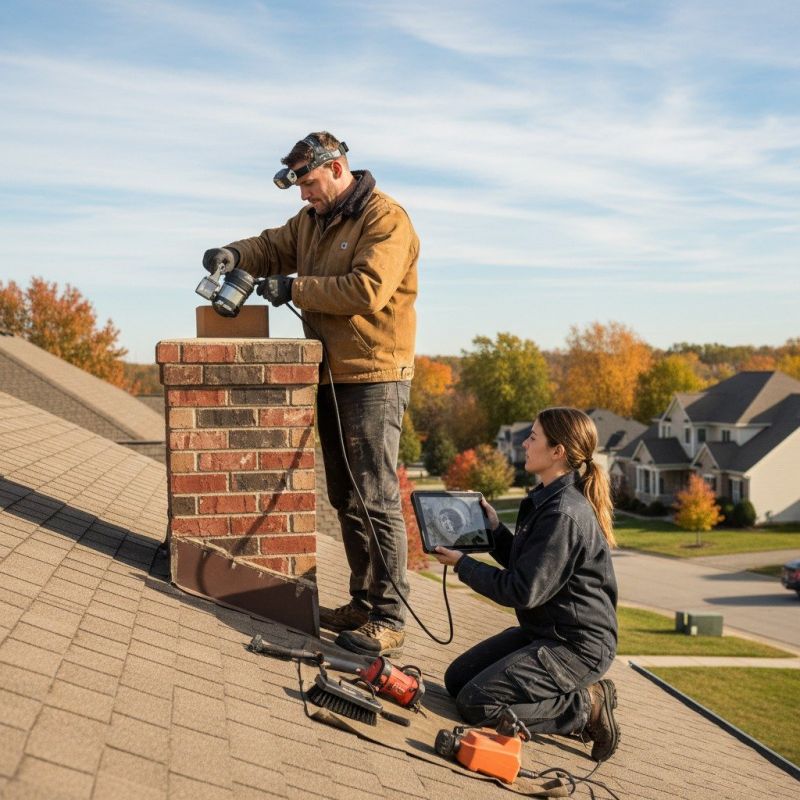
When selecting a professional for chimney inspection services, it is important to consider their experience in the field. Homeowners should look for local contractors who have a proven track record of performing thorough inspections and providing detailed assessments. Reputable providers often have a history of working within the community and can offer references or testimonials that demonstrate their expertise and reliability. Ensuring that the chosen professional has a solid background in chimney inspections can help foster confidence in their ability to identify potential issues accurately.
Clear communication and well-defined expectations are key factors when working with a local chimney inspection service. Homeowners should seek providers who are transparent about their process, what the inspection entails, and any follow-up recommendations. A reputable contractor will be willing to answer questions and provide written details about the scope of work, which helps ensure there are no misunderstandings. Open communication allows homeowners to feel informed and comfortable throughout the inspection process.
It is also valuable to evaluate how local pros handle client interactions. Effective communication, prompt responses, and professionalism often reflect the quality of service a homeowner can expect. Reputable service providers typically maintain consistent contact, clarify procedures, and provide comprehensive reports after inspections. Since this platform introduces local options rather than performing the work directly, it is essential for homeowners to contact and compare different providers based on their experience, communication style, and reputation to find the best fit for their chimney inspection needs.
Property owners in Passaic County, NJ use Chimney Inspection Service services for practical projects around their homes and businesses. The sections below highlight everyday jobs and straightforward project options.
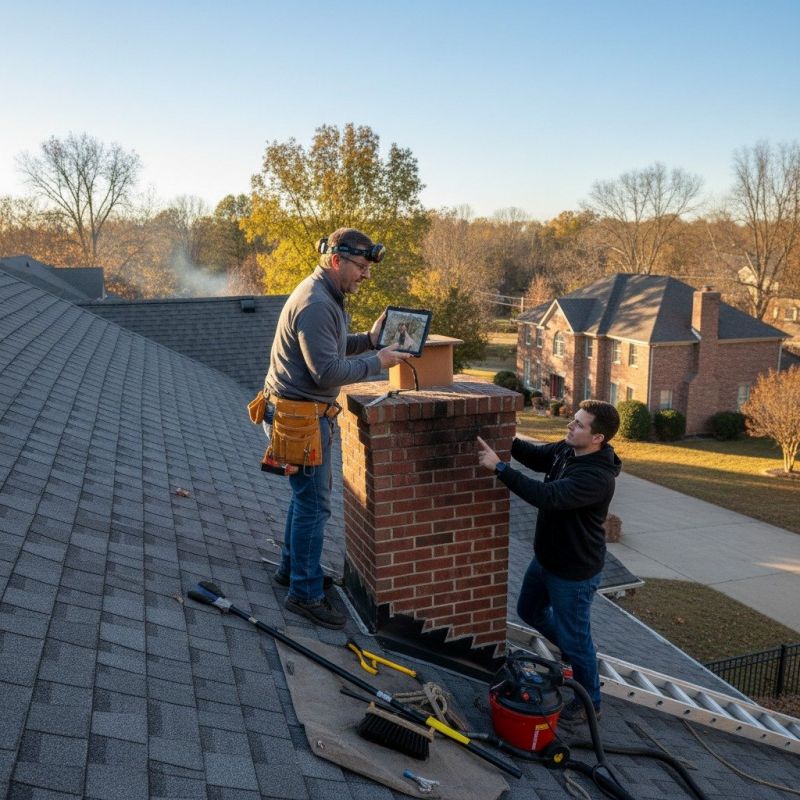
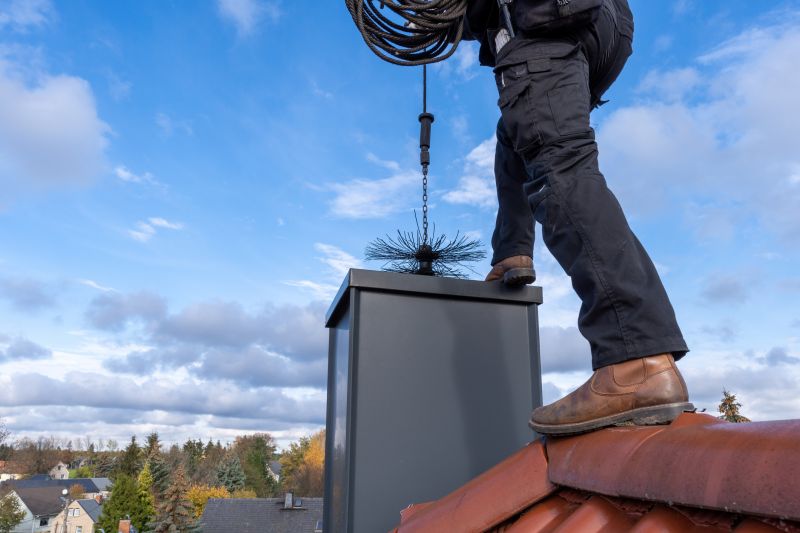
Chimney inspection services are commonly sought by property owners in Passaic County, NJ, who want to ensure their fireplaces and heating systems are functioning safely and efficiently. Regular inspections can help identify potential issues such as creosote buildup, cracks, or blockages that could pose fire hazards or reduce the effectiveness of the chimney. Homeowners often schedule inspections before the start of the heating season or after noticing signs like smoke backup or unpleasant odors.
Additionally, property owners may look for chimney inspections when purchasing a new home or preparing to upgrade their heating appliances. Routine checks can help detect early signs of deterioration or damage, preventing costly repairs in the future. Local service providers offer these inspections to support residents in maintaining safe, reliable, and efficient chimney systems throughout Passaic County.
What is involved in a chimney inspection? A chimney inspection typically includes examining the interior and exterior of the chimney for damage, blockages, and creosote buildup, as well as assessing the condition of the chimney liner, crown, and flashing.
How often should a chimney be inspected? It is recommended to have a chimney inspected at least once a year, especially before the heating season begins, to ensure safety and proper functioning.
What are the signs that a chimney needs inspection or repair? Signs include smoke backing into the home, a strong odor, visible damage or cracks, excessive creosote buildup, or if the chimney is more than a year old and has not been recently checked.
What types of professionals provide chimney inspection services? Local chimney service providers, including specialized inspectors and contractors, offer chimney inspection services to evaluate and identify potential issues.
How can I find a qualified chimney inspection service nearby? Contact local home service providers or use online directories to connect with experienced chimney inspection professionals in the Passaic County area.
Chimney Inspection Services - Professional chimney inspectors evaluate the condition of chimneys to identify potential issues and ensure safety.
Routine Chimney Checks - Regular inspections can help detect buildup, cracks, or damage that may affect performance and safety.
Visual and Technical Assessments - Local service providers offer thorough visual examinations and technical assessments of chimney systems.
Pre-Season Inspections - Scheduling inspections before the heating season can help prevent costly repairs and improve fireplace efficiency.
Considering Chimney Inspection Service for a property in Passaic County, NJ? The sections above highlight common project types, practical options, and details that often shape the scope of work.
When you are ready, use the quote form to share a few details about your project. Local pros can review the basics and respond with options that match what you have in mind.